
Carbohydrates: Fueling Your Body and Brain
Published: March 2026
Contents
Understanding Carbohydrates
Carbohydrates are organic molecules composed of carbon, hydrogen, and oxygen. They are your body's preferred energy source, particularly for the brain and during physical activity. While some low-carbohydrate diet advocates have demonized carbs as inherently fattening or unhealthy, the scientific evidence indicates that carbohydrates are essential for optimal health and function. The key distinction is not whether to eat carbohydrates, but which carbohydrates to emphasize.
Energy Provision
Carbohydrates provide 4 kilocalories per gram. When you eat carbohydrates, your digestive system converts them to glucose, a simple sugar. Glucose enters the bloodstream and triggers insulin release, which facilitates glucose uptake into cells where it's used for energy. Your liver and muscles store glucose as glycogen—a reserve fuel supply that can be quickly mobilized when energy demands increase.
The brain is particularly dependent on glucose. While it can adapt to using alternative fuel sources (ketones) during prolonged fasting or very low-carbohydrate diets, it performs optimally with consistent glucose availability from dietary carbohydrates. This is why adequate carbohydrate intake is associated with better cognitive performance, mood stability, and mental health.
Types of Carbohydrates
Simple Carbohydrates (Sugars)
Simple carbohydrates consist of one or two sugar molecules. They taste sweet and are rapidly absorbed, causing blood glucose to rise quickly. Examples include glucose, fructose (fruit sugar), and sucrose (table sugar). While fruits contain simple carbohydrates, they also contain fiber, water, vitamins, and minerals that slow absorption and provide nutritional value. In contrast, refined sugars in processed foods offer calories without nutritional benefit.
- Monosaccharides (1 sugar molecule): Glucose, fructose, galactose
- Disaccharides (2 sugar molecules): Sucrose, lactose, maltose
Complex Carbohydrates (Polysaccharides)
Complex carbohydrates consist of many glucose molecules linked together in chains. They are found in whole grains, legumes, and starchy vegetables. Complex carbohydrates are digested more slowly than simple sugars, leading to more gradual rises in blood glucose and more stable energy levels. This slower digestion also promotes greater satiety—you feel fuller longer—which can support healthy eating patterns and weight management.
- Starch: The storage form of glucose in plants. Found in grains, potatoes, legumes.
- Fiber: Indigestible carbohydrates that provide structure to plants. Crucial for digestive health, nutrient absorption, and metabolic function.
Glycemic Index and Load
The glycemic index (GI) measures how quickly a carbohydrate-containing food raises blood glucose. Low-GI foods cause slower, more gradual increases in blood glucose. High-GI foods cause rapid spikes. Glycemic load (GL) accounts for both the GI and portion size. Generally, complex carbohydrates from whole food sources have lower GI values than refined carbohydrates, making them preferable for stable energy and metabolic health. However, the GI varies based on food preparation, ripeness, and what else you eat with the carbohydrate (fat and protein slow absorption).
Carbohydrate Digestion and Energy Metabolism
The Process
When you eat carbohydrates, they enter your mouth where salivary amylase begins breaking down some starches. In the stomach, carbohydrates are mixed with stomach acids. In the small intestine, pancreatic amylase continues breaking complex carbohydrates into simple sugars. Specialized transporters in the intestinal wall absorb glucose, fructose, and galactose into the bloodstream.
Blood Sugar Regulation
As glucose enters the bloodstream, the pancreas senses the rise and releases insulin. Insulin acts like a key, allowing glucose to enter cells where it's used for immediate energy or stored as glycogen. When insulin levels drop (between meals or during fasting), glucagon is released, which triggers the breakdown of stored glycogen to maintain blood glucose levels. This is a sophisticated regulatory system designed to maintain stable blood glucose despite varying carbohydrate intake and activity patterns.
Insulin Sensitivity and Health
Over time, consistently consuming high amounts of refined carbohydrates and simple sugars can lead to reduced insulin sensitivity—cells become less responsive to insulin's signals. This requires the pancreas to produce more insulin to achieve the same effect. This state, called insulin resistance, is associated with increased risk of type 2 diabetes, weight gain, and metabolic dysfunction. Consuming carbohydrates primarily from whole food sources with lower glycemic index values helps maintain insulin sensitivity and metabolic health.
The Critical Role of Fiber
What Is Fiber?
Fiber is a type of carbohydrate that your digestive system cannot break down and absorb. Instead, it passes relatively intact through your digestive tract, providing numerous health benefits. There are two main types: soluble fiber (dissolves in water, found in oats, beans, fruits) and insoluble fiber (doesn't dissolve, found in whole grains, vegetables, nuts).
Digestive Health
Fiber provides bulk to stool, promoting regular bowel movements and preventing constipation. It also feeds beneficial bacteria in your colon, which produce short-chain fatty acids that nourish colon cells and support immune function. Adequate fiber intake is associated with healthier gut microbiomes, improved digestion, and reduced risk of gastrointestinal diseases.
Metabolic Effects
Soluble fiber slows gastric emptying and glucose absorption, leading to more stable blood sugar levels and reduced insulin spikes. This improves insulin sensitivity and supports weight management. Fiber also increases satiety, helping you feel fuller on fewer calories. Additionally, fiber consumption is associated with improved cholesterol profiles and reduced cardiovascular disease risk.
Recommended Intake
Most nutritional guidelines recommend 25-35 grams of fiber daily for adults. Unfortunately, the average Western diet contains only 10-15 grams daily, far below recommendations. Increasing fiber intake through whole grains, legumes, vegetables, fruits, nuts, and seeds can have profound positive effects on digestive health and overall metabolic function.
Carbohydrate Food Sources
Whole Grains
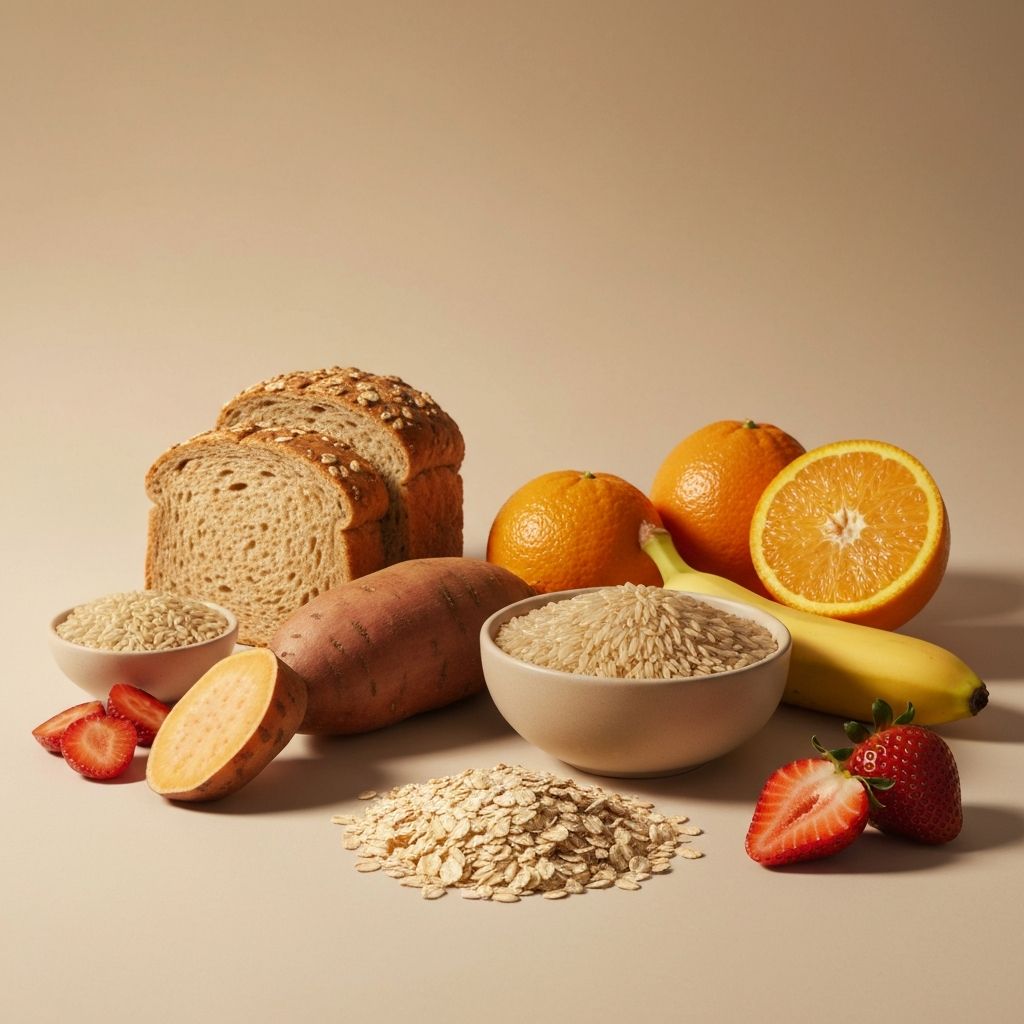
- Brown rice, oats, whole wheat, quinoa, barley, rye
- Benefits: Fiber, B vitamins, minerals, sustained energy release
Legumes
- Beans, lentils, chickpeas, peas
- Benefits: Fiber, plant-based protein, resistant starch, minerals
Starchy Vegetables
- Potatoes, sweet potatoes, corn, pumpkin
- Benefits: Fiber, vitamins, minerals, satiety
Non-Starchy Vegetables
- Broccoli, leafy greens, bell peppers, zucchini, carrots
- Benefits: Low calorie, high micronutrient density, fiber, phytonutrients
Fruits
- Apples, berries, oranges, bananas, melons
- Benefits: Simple carbohydrates plus fiber, vitamins, antioxidants
To Minimize
- Refined grains (white bread, white rice, pastries)
- Added sugars (soda, candy, sugary desserts)
- Processed foods with added sugars and low fiber
Key Takeaways
- Carbohydrates are your body's preferred energy source and are essential for optimal brain function and physical performance.
- The distinction between simple and complex carbohydrates matters greatly. Whole food sources with intact fiber provide superior nutrition and metabolic effects compared to refined carbohydrates.
- Fiber is a particularly important component of carbohydrate-containing foods, supporting digestive health, stable blood sugar, satiety, and overall metabolic function.
- Carbohydrates do not inherently cause weight gain. Weight outcomes depend on total caloric intake, and the quality of carbohydrates consumed influences satiety and metabolic health.
- Individual carbohydrate needs vary based on activity level, metabolism, and health goals. Athletes may benefit from higher carbohydrate intake. Sedentary individuals may do well with moderate amounts.
- A healthy approach emphasizes carbohydrates from whole food sources—whole grains, legumes, vegetables, and fruits—while minimizing refined carbohydrates and added sugars.
- This information is educational and not a substitute for personalized dietary guidance.